About
The alpaca is a gentle, soft-fleeced member of the camel family, native to the high Andes mountains of South America and long kept for its warm, lightweight wool.
Livestock
Vicugna pacos
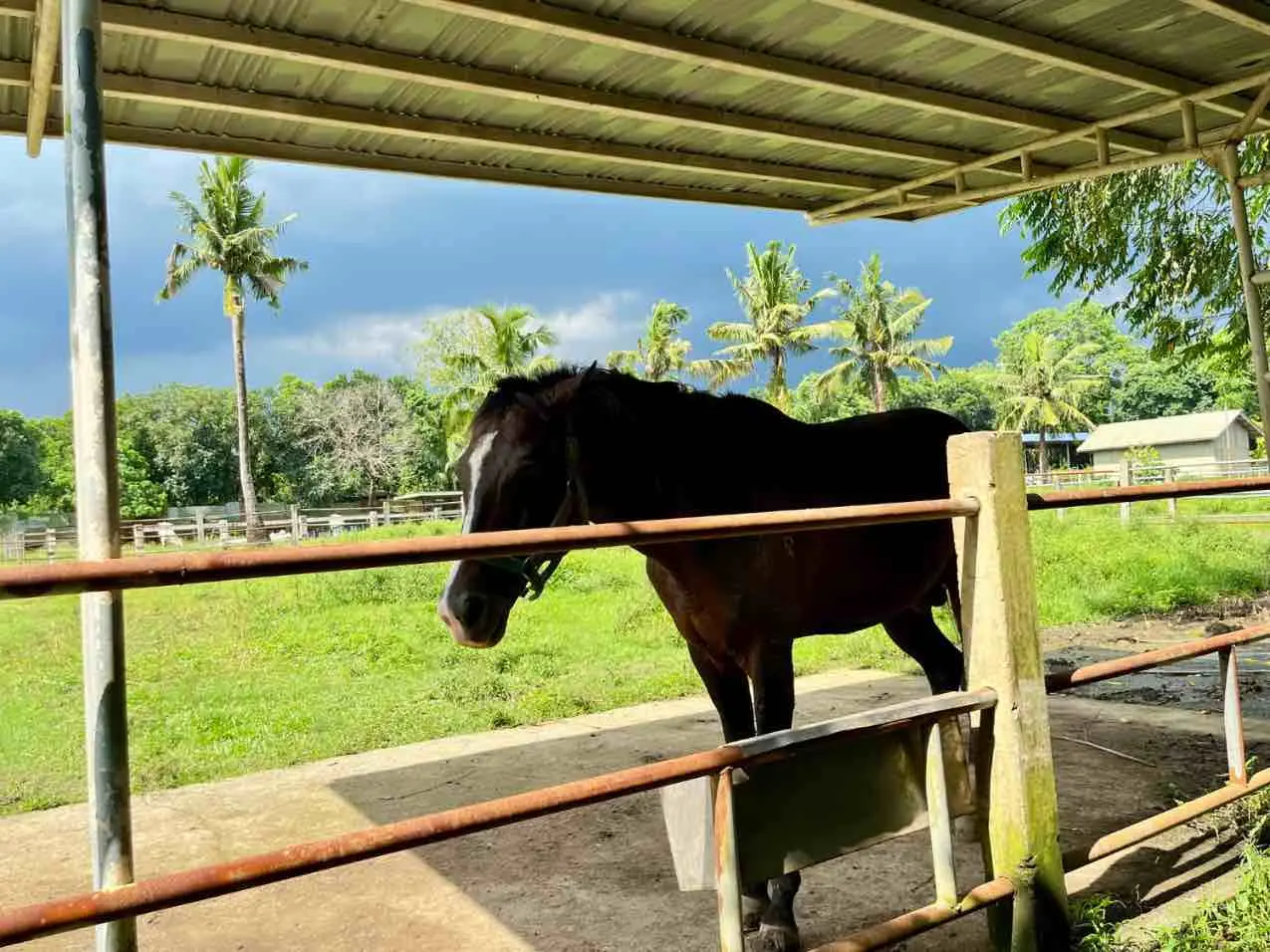
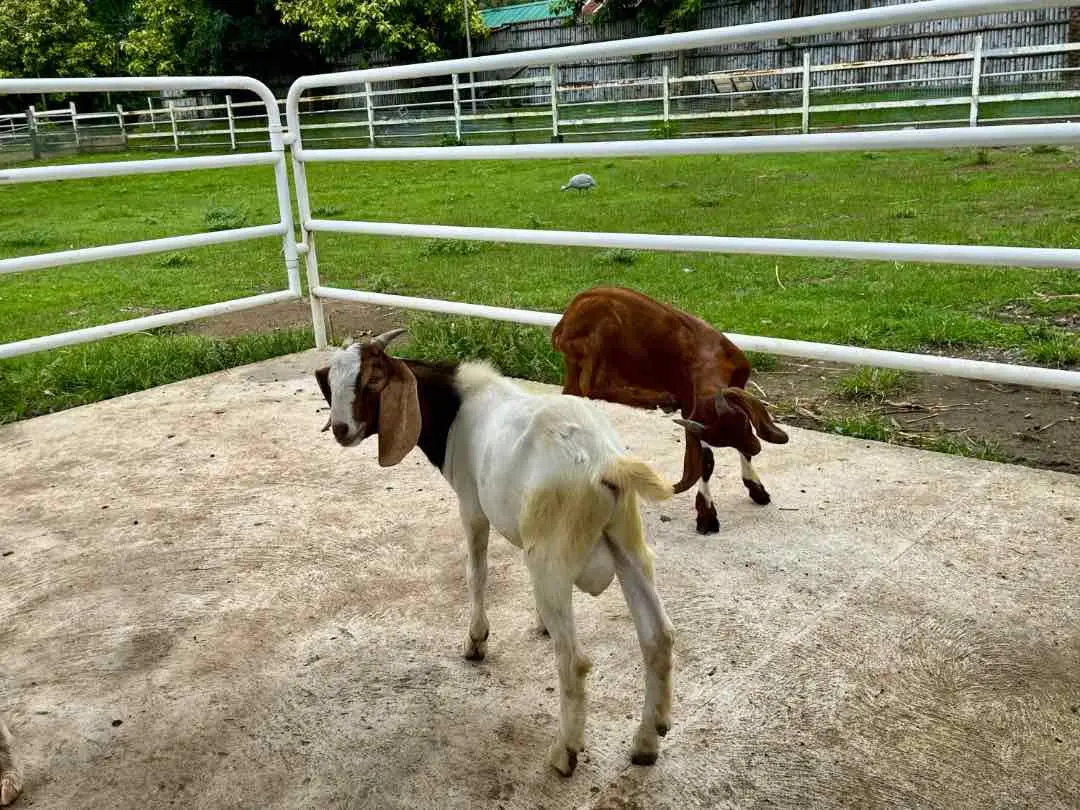
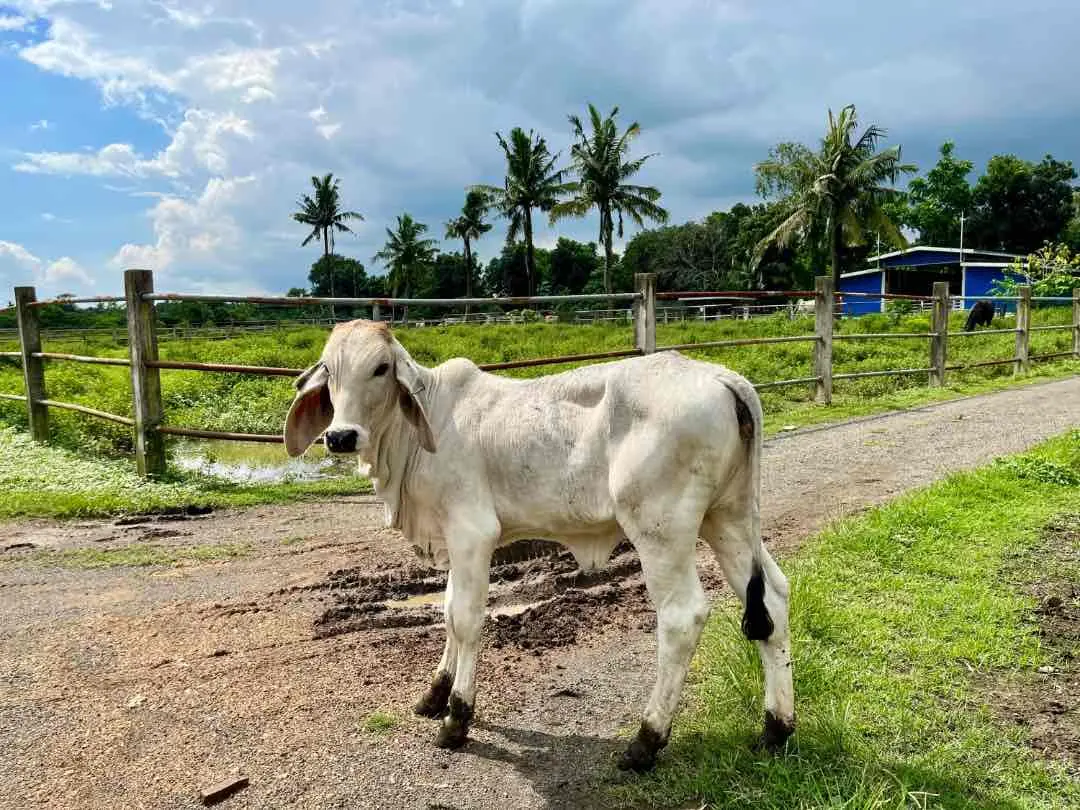
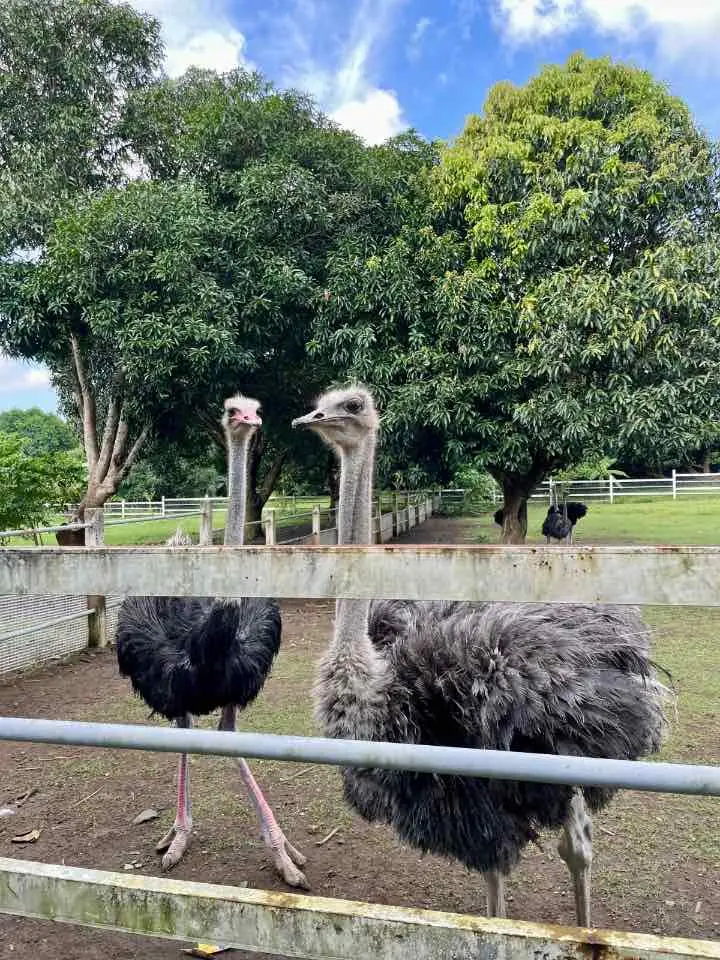
Alpacas share the pasture with the ranch's other grazing animals.
At a Glance
The alpaca is a gentle, soft-fleeced member of the camel family, native to the high Andes mountains of South America and long kept for its warm, lightweight wool.
Alpacas are gentle, camel-family relatives originally from the high Andes mountains of South America, where their thick, insulating fleece evolved to handle cold, thin-air conditions. That same fleece is prized for being soft and lightweight, and it is one of the main reasons alpacas have been raised by people for thousands of years.
Alpacas are efficient grazers that mainly eat grass and hay, and they generally need less food and water than livestock of a similar size. Rather than pulling grass up by the roots, alpacas tend to crop it neatly, which is gentler on pasture over time.
Alpacas are herd animals that feel safest in a group and can become anxious if kept alone. They communicate through a range of soft humming sounds, along with body posture and ear position, to signal everything from curiosity to mild alarm to the rest of the herd.
Mini Zoo